How To Become a Foster Parent

Whether You're Just Starting Out Or Have Been Fostering For Years And Need Support

Featured and Trusted By

Have you considered becoming a foster parent?

Here are some simple tools to help you understand the process and the path to becoming a foster parent.

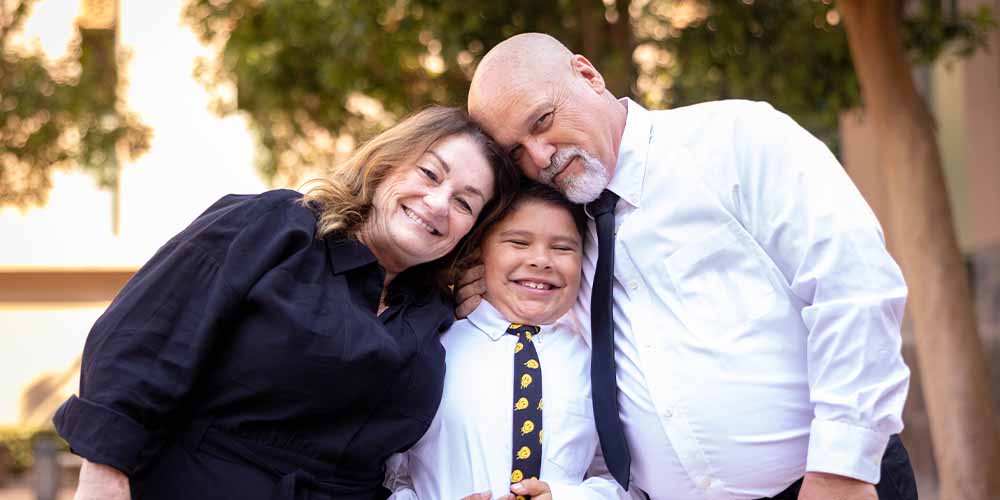
Family Picture

Get Certified - Training, Paperwork and Preparation

While the certification process varies from state to state and even agency to agency you should expect to follow the elements:

  • Application
  • Training (usually 30 or more hours)
  • How to partner with a child’s biological family
  • Background checks
  • Home study and inspection

See our 5 Step Guide for more info!

Foster Parents

Eligibility Requirements to Foster

The requirements to be a foster parent vary by state and agency, but most include:

  • Age – Typically, you must be at least 21 years old. 
  • Stable Income – You need to demonstrate financial stability. Stipends help, but they won’t cover everything you need!
  • Background Checks – A thorough screening, including fingerprinting.
  • Home Study – An in-depth evaluation of your home, family, and lifestyle.
  • Home Inspection – Evaluators look for safety measures, adequate space, and a clean, child-friendly environment.
    See our checklist.
  • Training and Licensure – Most states require 30+ hours of foster care education and a licensure/certification.
Mindful_of_Trauma_During_Holidays

Learn and Grow

Becoming an amazing foster parent is an ongoing process of learning and of finding great support. Just a few of the things you’ll want to explore over time include:

Fostering sibling groups like this has benefits and challenges to consider

What Else to Know Before Becoming a Foster Parent

    • Foster parenting is not the same as adoption—reunification with biological families is often the goal.
    • Children in foster care may have experienced trauma and need extra emotional support.
    • The process can take several months, depending on state requirements.
    • It does not cost money to become a foster parent—most agencies cover training and home study costs.
    • There are many types of foster care to consider.

Other Ways to Offer Care

  • Emergency Foster Parenting – Immediate, short-term care for children who need placement due to urgent situations. 
  • Kinship Care – Placing children in a familiar environment with blood relatives or close family friends.
  • Respite Care – Offers temporary relief for full-time foster parents
  • CASA (Court Appointed Special Advocate) – Volunteers who advocate for the best interests of children in foster care during legal proceedings.
  • Therapeutic Foster Care – Supports children with greater emotional, behavioral, or medical needs.

Start Your Journey to Become a Foster Parent

Foster parenting is a rewarding experience that changes lives. If you’re ready to take the next step, contact your local foster care agency to begin the application process today. Every child deserves a loving and supportive home, and you can be the difference in their life.

Want To Get Involved?

Learn more about ways to make a change in the ways children experience foster care.
Scroll to Top